
Location scouting · 2 MIN READ
Reading a Vieques location photograph
Turn an archive image into a useful scout brief: identify the frame, compare the wider setting and separate what you can see from what you still need to confirm.
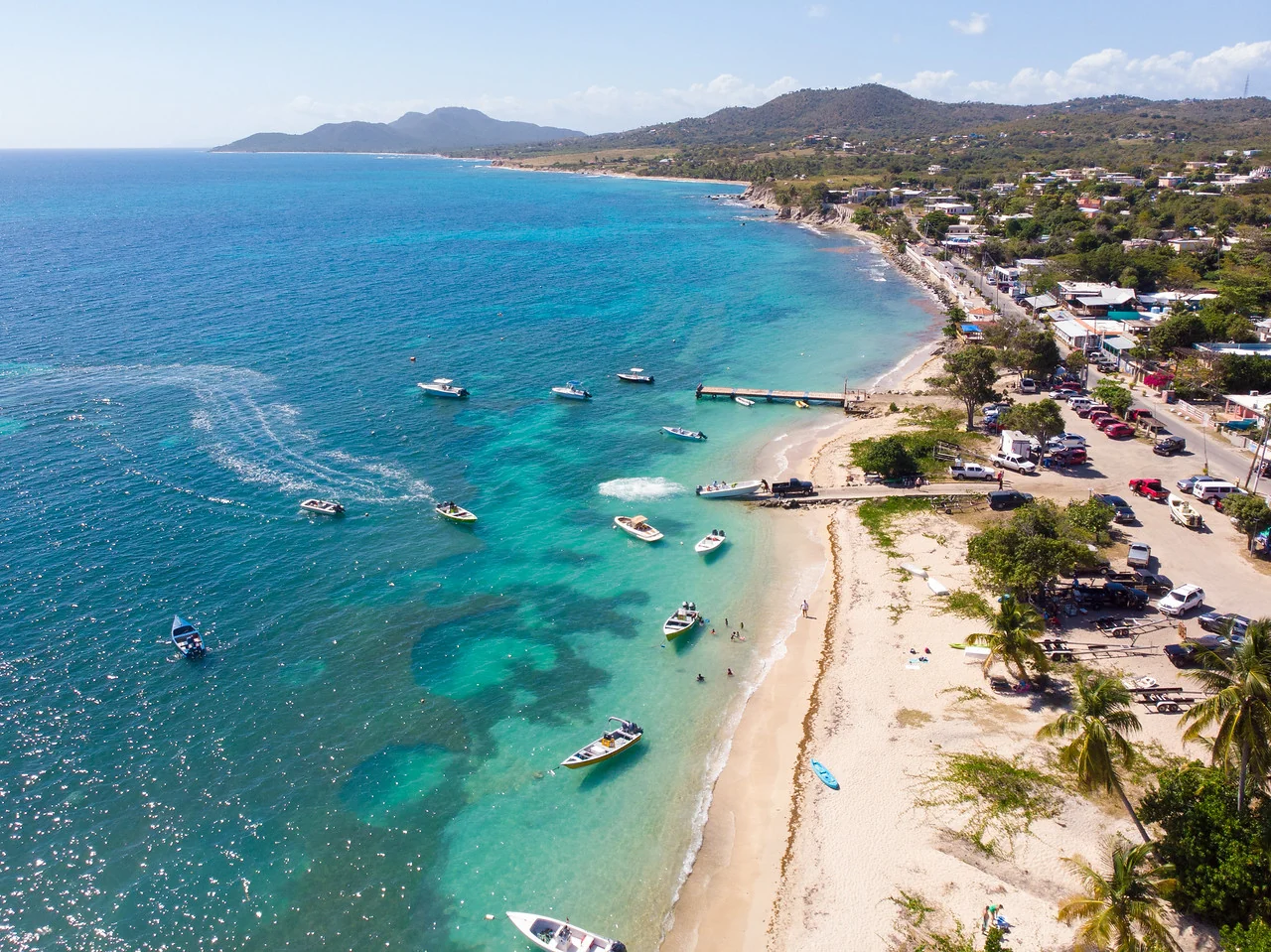
A location photograph is a starting point for a conversation. It can show a compelling frame, but it cannot tell you everything a crew needs to make that frame work. Read the Vieques archive in two passes: first for the image, then for the questions it leaves open.
Name the frame you are responding to
Start with the specific visual element. In the Esperanza waterfront reference, you might be responding to the sweep of the shoreline, the boats against the water or the meeting of buildings and coast. Those are different briefs, even though they begin with the same photograph.
Write a sentence that describes what must appear on camera. For example: a broad waterfront view with small boats and a visible shoreline. Then list what can change. A director looking for a quiet background may need a different viewpoint from a photographer who wants the activity of the waterfront.
Look beyond the single image
Compare the wider views with the details. Notice how the horizon, foreground, vegetation and architecture change between photographs. A close view can describe a texture beautifully while saying little about the space around it.
Aerial and ground-level references also answer different questions. An aerial image can help you understand the composition of a place; it does not establish that a ground-level camera can reproduce that frame. Include the intended camera position and any proposed aerial work in the brief, then confirm feasibility separately.
- Which parts of the frame are essential?
- What sits behind the camera and outside the crop?
- Does the shot need dialogue, movement, vehicles or an unobstructed background?
Turn uncertainty into a scout request
Save the location name and photograph number alongside your notes. Ask for a current reference from the proposed viewpoint and a wider view that shows the working area. Request observations at the intended shooting time when light or background activity matters.
Treat access, permissions, sound, staging, equipment movement and current conditions as questions to resolve. The absence of people or vehicles in an archive image does not establish a quiet or controllable location. A useful scout report explains both the visual opportunity and the practical limits.
References & further reading
- Image references: the Film Vieques location archive
Visual observations in this article refer to the photographs displayed in the archive, not a current-condition survey.
Archive photographs do not establish current conditions, access or filming permission. Confirm practical details for your own dates and activity.