
Working with owners · 2 MIN READ
A clearer handover, before and after a shoot
A simple condition record helps owners and production teams track agreed changes, restoration and unfinished items.
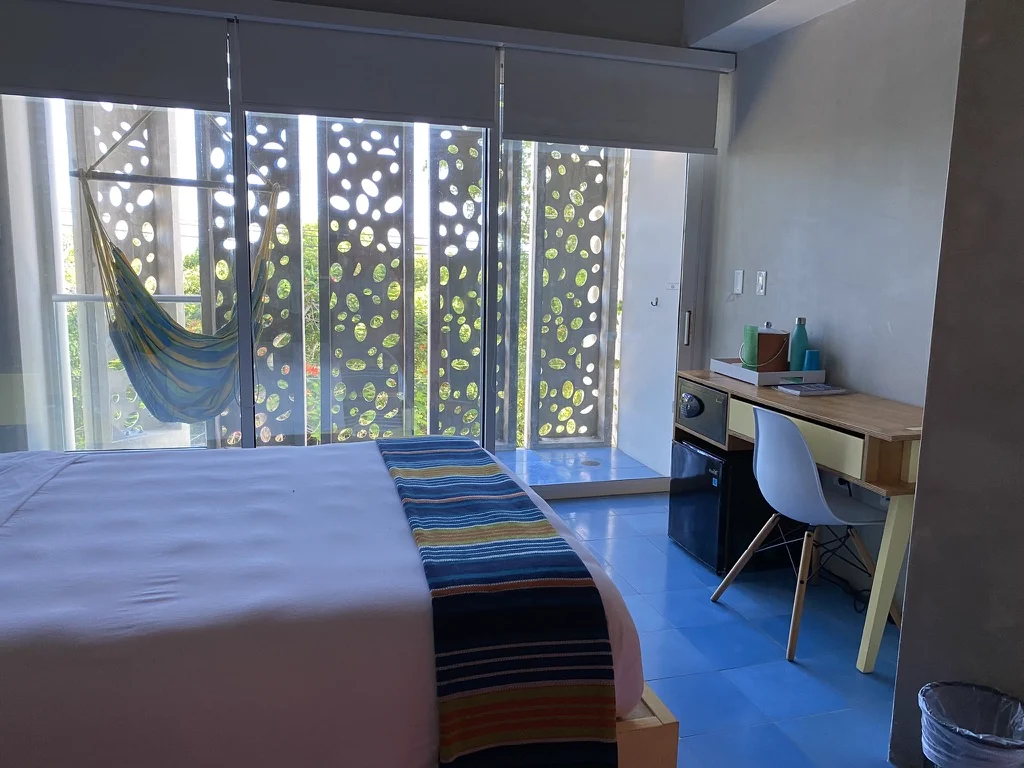
Archive reference only. The photograph does not imply that the location or any pictured object is available, represented by an owner submission, or participating in the practices described.
A location handover is a conversation with a record attached. Its purpose is to establish what the owner and production team saw, what they agreed could change and what still needs attention at the end. Keep that record separate from the creative reference images and from the production agreement.
Record the starting point together
Before agreed production activity begins, walk the relevant areas with the designated owner representative. Photograph the arrangement of furniture and removable objects, and record existing marks or damage that either side wants to note. Describe locations consistently so a later reader can identify the same doorway, wall or item.
Keep the record factual. A photograph of a mark and a note identifying its position are more useful than a confident statement about how it happened. If either party disagrees with a description, record that disagreement for resolution rather than editing it away. Share the record through an agreed private channel.
Track the changes that were actually agreed
List proposed moves, coverings, dressing and temporary alterations before they happen. For each, identify the person who can approve it, the person responsible for doing it and the expected restoration. Keep changes outside the agreed scope pending until the relevant parties have reviewed them.
If the creative plan changes during the day, update the same record. A second list in a different message thread can leave the owner and crew working from different instructions. Do not treat silence, an informal reference image or a previous shoot’s arrangement as approval for a new change.
- Area or object affected.
- Agreed change and the person confirming it.
- Responsible contact and restoration expectation.
- Open question or unresolved disagreement.
Close the loop while the people are still available
At the end, compare the relevant spaces with the starting record. Check the agreed furniture positions, temporary materials, removed items and any surfaces that were specifically noted. Record outstanding work with a named contact and an agreed follow-up, rather than marking the entire handover complete by default.
Keep administrative closure distinct from any legal release or settlement. A visual checklist does not decide liability, replace insurance procedures or amend a contract. The production and owner should handle those questions through the appropriate agreed process. The practical goal is a clear account of what was checked and what remains open.
References & further reading
- Film London — Code of Practice
A professional-practice reference for considerate location work. Its London statutory requirements are not Puerto Rico rules. The checklists here are Film Vieques editorial recommendations.
- Puerto Rico Film Commission
Official Puerto Rico production-information contact. No permit, rate, processing time or location access is promised here.
Archive photographs do not establish current conditions, access or filming permission. Confirm practical details for your own dates and activity.