
For location owners · 3 MIN READ
Preparing your property for a first scout
A practical owner-led walk-through: show the real space, explain the boundaries and leave the visit with a clear record.
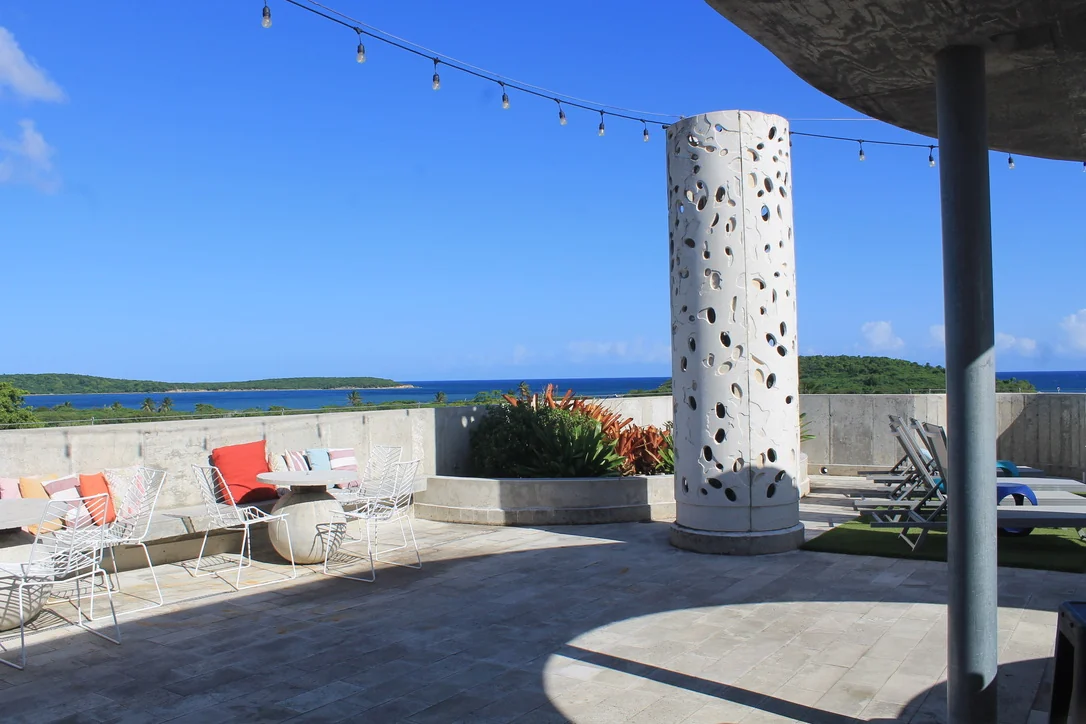
Archive reference only. The photograph does not imply that the location or any pictured object is available, represented by an owner submission, or participating in the practices described.
A first scout should help both sides understand whether a space suits a particular idea. The owner knows how the property works; the creative team knows what it hopes to photograph. Prepare for that exchange with an honest reference set and a short list of boundaries, rather than a promise to accommodate every possible shoot.
Show the space as it actually works
Before the visit, make a simple list of the rooms or areas you are willing to discuss. Separate those from spaces that are private, occupied or unavailable. A useful starting description might be: the front terrace and main room can be considered; bedrooms and the adjoining workspace are outside the discussion. This is a scope note, not permission to use the property.
Photograph the current arrangement before tidying or moving objects. Then remove ordinary personal clutter if you choose, without hiding a feature that could affect the shoot. Keep a second, private record of anything delicate or valuable that must remain untouched. A beautifully styled image should not become the only record of how the space normally looks.
- Choose a representative wide view of each proposed area.
- Show the connection between rooms, doors and exterior spaces.
- Identify fragile finishes and objects that require the owner’s involvement.
Use the walk-through to ask precise questions
Ask the team to describe the intended activity, not only the number of people attending. A still portrait beside a window and a moving scene through several rooms create different demands. Discuss whether the proposal includes furniture moves, dressing, temporary coverings, sound recording or equipment placed outside the photographed space.
Leave measurements and technical assessments to the appropriate people. If a question concerns electrical supply, structural support or specialist equipment, record it for a qualified assessment. An owner’s willingness to help should not be recorded as confirmation that a technical arrangement is suitable.
- What is the proposed camera area, and what is needed behind it?
- Which objects might be moved, by whom, and restored when?
- Which questions need a second visit or another decision-maker?
End with a shared record, not a vague yes
After the visit, summarize the areas discussed, the changes proposed and the questions still open. Name the person who can speak for the property and the production contact who will consolidate requests. Keep personal contact details in the agreed private channel rather than a publicly shared reference deck.
Confirm a later production arrangement separately. Dates, access, fees, insurance requirements, restoration and any outside approvals need their own review by the relevant parties. The checklist is a way to make that conversation more precise; it does not establish contractual terms or permission.
References & further reading
- Film London — Code of Practice
A professional-practice reference for considerate location work. Its London statutory requirements are not Puerto Rico rules. The checklists here are Film Vieques editorial recommendations.
- Puerto Rico Film Commission
Official Puerto Rico production-information contact. No permit, rate, processing time or location access is promised here.
Archive photographs do not establish current conditions, access or filming permission. Confirm practical details for your own dates and activity.